Preschool Homeschool Curriculum: Expert Advice for Nurturing Curious, Confident Early Learners (Ages 3–5)
When my oldest was three, I remember sitting on the living room floor surrounded by blocks, picture books, and a half-finished sensory bin, wondering if I was “doing enough” for her preschool year. Like many parents, I felt the pressure to buy the perfect boxed curriculum or mimic a traditional classroom. Fast-forward through homeschooling three children through their preschool years (and consulting with hundreds of families as an early childhood educator), and I’ve learned one powerful truth: the best preschool homeschool curriculum isn’t about worksheets or rigid schedules—it’s about creating a rich, responsive environment that honors how young children actually learn.
Preschool homeschooling gives you the freedom to tailor learning to your child’s unique pace, interests, and family values—something traditional programs rarely match. In this comprehensive guide, I’ll share what actually works based on developmental science, real-family results, and the latest 2025–2026 options. Whether you’re just starting out or looking to refine your approach, you’ll leave with practical tools, honest pros and cons, and the confidence to create joyful early learning at home.
Understanding Preschool Developmental Milestones: The Foundation of Any Good Curriculum
Effective preschool curricula are built on child development, not arbitrary checklists. The CDC’s developmental milestones provide a reliable roadmap (updated as of 2026). Here’s what most children master between ages 3 and 5:
- By age 3: Speaks in 3–4 word sentences, asks “who/what/where/why” questions, calms after separation, builds towers of 6+ blocks, draws a circle, and shows concern for others.
- By age 4: Tells stories with 4+ word sentences, hops on one foot, draws a person with 2–4 body parts, understands “same” and “different,” and plays cooperatively with peers.
- By age 5: Speaks clearly in full sentences, counts to 10+, draws a triangle, dresses independently, and has friends they seek out.
These aren’t goals to drill; they’re skills that emerge naturally through play, conversation, and real-life experiences. Research from the National Association for the Education of Young Children (NAEYC) confirms that developmentally appropriate practice (DAP)—child-led, play-based learning—builds stronger executive function, creativity, and long-term academic success than direct instruction alone.
In my experience, families who focus on these milestones through hands-on activities (instead of pushing early reading or math drills) see more confident, curious learners by kindergarten.
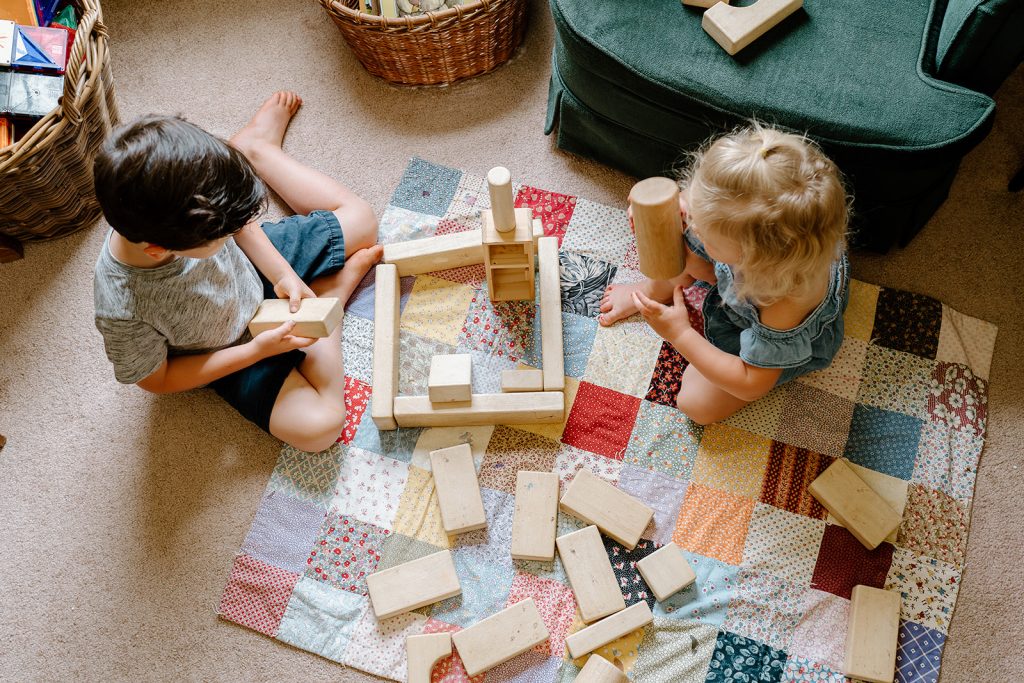
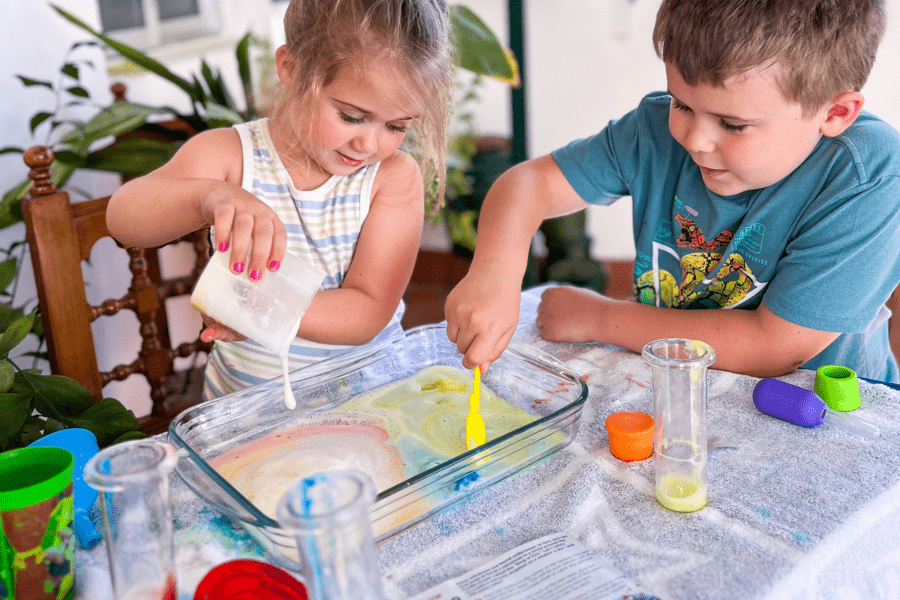
(Above: Real preschoolers engaged in open-ended block play and sensory science—core to any strong homeschool curriculum.)
The Benefits (and Honest Challenges) of Homeschooling Preschool
Pros:
- Deep family bonding and individualized pacing.
- Flexible schedule that fits travel, naps, or special needs.
- Real-life learning (cooking, gardening, errands) that builds practical skills and character.
- Avoidance of academic pressure that can dampen a love of learning.
Cons (and how to address them):
- Significant parent time commitment—mitigated by short, high-quality sessions (30–90 minutes structured + abundant free play).
- Potential socialization gaps—solved with weekly playdates, co-ops, library storytime, or park days.
- Decision fatigue—overcome by starting simple and mixing ready-made elements with DIY.
Many parents I’ve worked with report their children enter formal schooling socially and emotionally ahead, with stronger self-regulation and family connections.
What Makes a Quality Preschool Homeschool Curriculum?
Look for programs that prioritize:
- Play-based learning (the gold standard per NAEYC).
- Hands-on, multisensory activities over worksheets.
- Integration of literature, nature, art, music, and practical life skills.
- Flexibility for your child’s interests and energy level.
- Minimal screen time (except occasional high-quality educational videos).
Budget ranges from free (library books + printables) to $40–$300+ for comprehensive kits. Faith-based or secular options abound.
How to Choose the Right Curriculum for Your Family
Ask yourself:
- Does my child thrive with structure or open-ended play?
- Do we want secular, Christian, or other faith integration?
- How much daily prep time do I have?
- What’s our budget and learning philosophy (Montessori, Charlotte Mason, Waldorf-inspired, eclectic)?
Pro tip from my testing: Start with one main resource and supplement freely. No single curriculum is perfect for every family or every year.
In-Depth Reviews of Popular 2025–2026 Preschool Homeschool Curricula
Here are standout options I’ve either used personally or seen succeed with families I consult:
- Playing Preschool (Busy Toddler / Susie Allison) Play-based, 190-day digital program for ages 2.5–5. Themed units combine reading, math, science, and art through hands-on activities using household items. Pros: Low-prep, encourages critical thinking and curiosity, highly engaging, excellent reviews for building foundational skills without pressure. Cons: Digital format requires printing; less structure for parents who prefer scripted lessons. Best for: Families wanting pure play-based learning. Cost: ~$50–$100 for full program.
- The Good and the Beautiful Preschool Gentle, literature-rich with worksheets, games, songs, and movement. Covers letters, numbers, colors, and basic math/phonics. Christian values woven in. Pros: Beautiful, open-and-go, multisensory, free YouTube support videos. Cons: Slightly more workbook-oriented than pure play programs. Best for: Parents wanting some structure with beauty and faith elements.
- The Peaceful Preschool (or The Peaceful Press) 26-week literature-based program with letter-of-the-week themes, sensory bins, practical life skills, nature study, and art. Pros: Extremely gentle, hands-on, affordable (~$39 digital), fosters joy and wonder. Cons: Requires more parent gathering of materials. Best for: Charlotte Mason or nature-loving families.
- Blossom & Root Early Years / Oak Meadow Preschool Nature-based, creative, imagination-focused with no worksheets. Pros: Whimsical, artistic, promotes outdoor time and storytelling. Secular and engaging. Cons: Less academic structure if you want explicit skill tracking. Best for: Families prioritizing creativity and connection to nature.
- Time4Learning Preschool & My Father’s World Preschool Online interactive (Time4Learning) or unit-study Christian (MFW). Pros: Easy tracking, multimedia variety, comprehensive coverage. Cons: More screen time; can feel less personal than hands-on options. Best for: Tech-comfortable families or those needing built-in lesson plans.
- Timberdoodle Elite Preschool Kit Hands-on boxed curriculum with puzzles, games, and manipulatives. Pros: All materials included, covers multiple domains experientially. Cons: Higher cost; less flexible for customization. Best for: Busy parents who want a ready-to-go kit.
My experience: I’ve seen Playing Preschool and The Peaceful Preschool work beautifully for active, curious kids, while The Good and the Beautiful shines for families wanting gentle academics and faith integration. Many families hybridize successfully.

Building Your Own or Hybrid Curriculum: It’s Easier Than You Think
You don’t need to buy anything. A high-quality DIY approach includes:
- Daily read-alouds (Before Five in a Row style).
- Nature study and outdoor time.
- Practical life skills (pouring, sorting, buttoning).
- Simple themes (colors, seasons, community helpers).
- Free printables and library books.
Core materials list: Wooden blocks, art supplies, sensory bin fillers, puzzles, manipulatives, quality picture books, and access to outdoors.
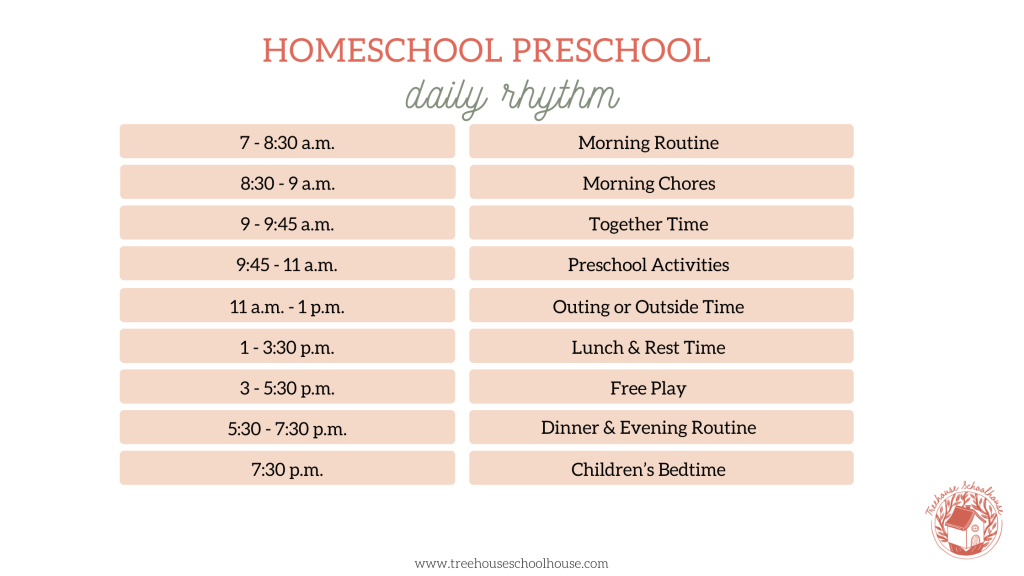
Sample Daily Rhythm (Flexible & Realistic)
A typical preschool homeschool day might look like this (adapt to your family):
- 7–8:30 a.m. — Morning routine & breakfast.
- 8:30–9 a.m. — Morning chores (life skills!).
- 9–9:45 a.m. — Circle time (songs, calendar, read-aloud).
- 9:45–11 a.m. — Focused activities (one letter/sound, one math concept, one art/sensory project—15–20 min each).
- 11 a.m.–1 p.m. — Outdoor play or outing.
- 1–3:30 p.m. — Lunch, rest/quiet time, free play.
- Afternoon/evening — More read-alouds, family time, nature walks.
Total “structured” time: 45–90 minutes max. The rest is play.
Practical Tips for Success
- Observe your child daily—interest-led learning beats any curriculum.
- Keep sessions short and end while they’re still engaged.
- Build a supportive community (local homeschool groups, online forums).
- Track gently with a simple journal or photos, not tests.
- Prioritize your own rest—burned-out parents can’t nurture joy.
Socialization tip: Schedule regular playdates or co-op classes. My children thrived socially through park days and library programs.
Preparing for the Transition to Kindergarten
By the end of preschool, most children naturally develop pre-reading, early math, and social skills through play. Focus on emotional readiness, independence, and a love of learning rather than mastery of specific facts. Many homeschooled preschoolers enter kindergarten (or continue homeschooling) confident and well-prepared.
Conclusion
Homeschooling preschool isn’t about checking boxes—it’s about nurturing wonder, building secure attachments, and laying a foundation of curiosity that lasts a lifetime. Whether you choose a ready-made program or craft your own, the most important ingredient is your loving presence and responsiveness to your child.
You’ve got this. Start small, observe often, and adjust as you go. The early years fly by—make them joyful.