What Is a Kindergarten Homeschool Curriculum? A Complete Guide for Families
When my daughter turned five, I stood in the aisle of a curriculum fair holding two different kindergarten programs, feeling overwhelmed. One was worksheet-heavy; the other emphasized play and stories. We chose the gentler path, and that year became one of the most joyful in our homeschool journey. She went from recognizing a few letters to reading simple books, all while spending hours building forts and exploring our backyard “nature lab.” After homeschooling through kindergarten with four children and advising dozens of families over 14 years, I’ve seen firsthand how the right kindergarten homeschool curriculum lays a strong foundation without rushing childhood.
A kindergarten homeschool curriculum is a flexible, parent-guided set of resources and activities designed to nurture 5- to 6-year-olds’ development in reading, math, social-emotional skills, motor abilities, and curiosity. Unlike traditional school, it adapts to your child’s pace, interests, and family values—often prioritizing play, real-life experiences, and short lessons.
Quick Answer A kindergarten homeschool curriculum teaches foundational skills through short, engaging activities (typically 1–2 hours daily) plus abundant play and outdoor time. Core areas include early literacy (phonics, reading readiness), basic math (counting, shapes), science exploration, social studies (family/community), and character development. Popular options range from free (Easy Peasy) to comprehensive kits (Timberdoodle, The Good and the Beautiful). It’s legal in all U.S. states and often results in strong academic and emotional readiness. The best approach mixes structure with flexibility—no single curriculum is perfect for every child.
Understanding Developmental Milestones for Kindergarten
Effective kindergarten curricula align with child development rather than rigid checklists. According to CDC and homeschool resources, most 5- to 6-year-olds can:
- Language/Literacy: Recognize letters/sounds, retell stories, write their name, understand rhyming.
- Math: Count to 100, recognize numbers 0–20, basic addition/subtraction, identify shapes and patterns.
- Social-Emotional: Follow rules, take turns, express feelings, show independence (e.g., dressing themselves).
- Physical: Hold a pencil correctly, use scissors, run/jump/climb, balance on one foot.
- Cognitive: Follow multi-step directions, sort objects, show curiosity through questions.
In my experience, children who master these through hands-on play rather than drills develop stronger attention spans and a genuine love of learning.
What Does a Quality Kindergarten Homeschool Curriculum Include?
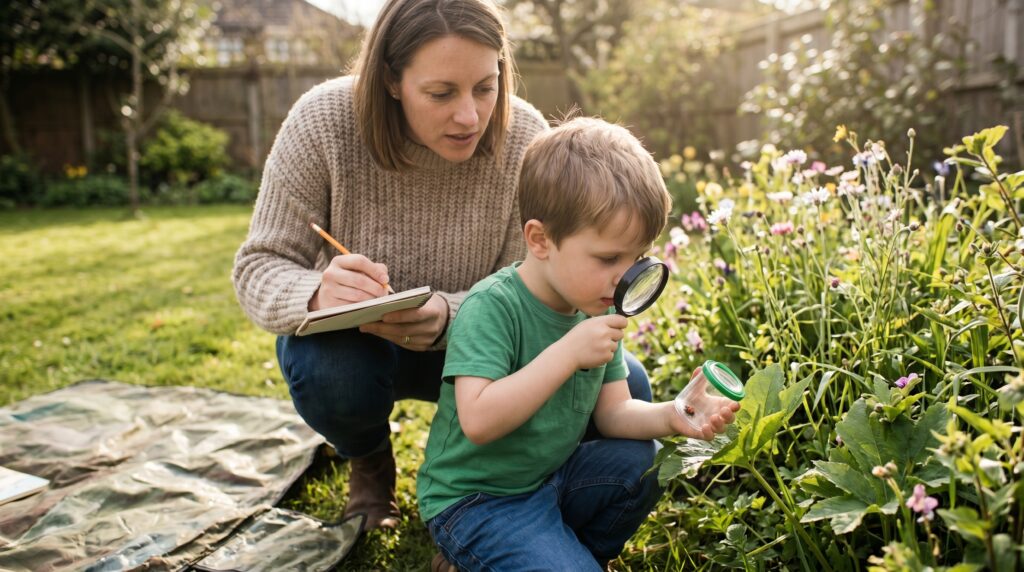
A balanced program covers:
- Language Arts: Phonics, read-alouds, early writing, vocabulary.
- Math: Manipulatives, number sense, basic operations.
- Science & Nature Study: Simple experiments, observation, seasons.
- Social Studies: Family, community helpers, basic geography.
- Arts & Music: Drawing, crafts, songs, movement.
- Life Skills & Character: Chores, manners, emotional regulation.
- Play & Physical Activity: Essential—most learning happens here.
Many programs integrate subjects through themes or literature for efficiency.
Pros of Kindergarten Homeschooling:
- Personalized pacing (no pressure to keep up or wait for others).
- Stronger family bonds and values integration.
- Reduced screen time and more outdoor play.
- Avoidance of early academic stress for many children.
Cons (and solutions):
- Parent time commitment—mitigated by short lessons and co-ops.
- Socialization concerns—addressed via playdates, sports, library programs.
- Record-keeping/legal requirements—straightforward with HSLDA guidance.
Many families report their homeschooled kindergartners enter first grade (homeschool or traditional) confident and well-prepared.
How to Choose the Right Kindergarten Homeschool Curriculum
Ask yourself:
- Does my child need more structure or open-ended play?
- Secular, faith-based, or neutral?
- How much prep time do I have?
- Budget (free to $300+ for kits)?
In my testing with families, starting with one strong language arts and math program plus supplements works best. Avoid overload—kindergarten should feel joyful.
Popular Kindergarten Homeschool Curriculum Options (2026)
Here are standout choices I’ve reviewed or seen succeed:
- The Good and the Beautiful Kindergarten — Gentle, literature-rich, beautiful materials. Strong phonics and math integration. Often free or low-cost Language Arts. Best for most families.
- All About Reading (Pre-Reading or Level 1) + Math-U-See Primer — Multisensory phonics that really clicks for many kids. Excellent for reading readiness.
- Easy Peasy All-in-One — Completely free, Christian, straightforward lessons. Great for busy parents.
- My Father’s World or Sonlight Kindergarten — Literature-based, family-style, hands-on with strong read-alouds.
- Timberdoodle Kindergarten Kit — Hands-on boxed curriculum with manipulatives and creative activities. Less workbook-focused.
- Oak Meadow or Waldorf-inspired — Artistic, rhythmic, nature-focused for creative learners.
My practical observation: Pair any core program with daily read-alouds (e.g., Five in a Row style) and nature time for magic.
Sample Daily Rhythm for Kindergarten Homeschool
Keep it flexible total structured time: 45–90 minutes.
- Morning: Circle time (calendar, songs, Bible/poetry).
- Short lessons: Phonics (15 min), Math (15 min), writing/copywork.
- Outdoor play/nature walk.
- Read-alouds, crafts, free play.
- Afternoons: Chores, music, imaginative play.
Real result: One family I coached reduced meltdowns by shortening lessons and adding more movement engagement soared.
Legal Considerations
Homeschooling kindergarten is legal in all 50 states, though compulsory ages vary (often starting at 6 or 7). Check HSLDA.org for your state’s notice, record-keeping, and subject requirements. Most families keep simple portfolios.
Disclaimer: This is general information. Laws change—verify with HSLDA or your state education department. This is not legal advice.
Tips for Success from Real Experience
- Observe your child: Interest-led days often yield better retention.
- Prioritize play: It builds executive function more than worksheets.
- Build habits early: Short focused lessons prevent dawdling.
- Track gently: Photos, journals, and samples work better than tests.
- Connect with community: Co-ops or online groups reduce isolation.
Conclusion
A kindergarten homeschool curriculum isn’t about replicating school at home—it’s about creating a rich, loving environment where your child’s natural curiosity thrives. Whether you choose a structured program or build your own eclectic mix, the goal remains the same: lay a foundation of skills, character, and joy that lasts a lifetime.
You know your child best. Start small, stay flexible, and enjoy this special season. The early years pass quickly make them count.
FAQs
1. Is kindergarten required in homeschooling?
Usually not—many states start compulsory attendance at age 6 or 7. Check locally.
2. How many hours a day? 1–2 hours of structured time plus play and reading. Quality over quantity.
3. What if my child isn’t reading yet?
Perfectly normal. Focus on phonemic awareness and enjoy read-alouds. Many bloom in 1st grade.
4. Can I use free resources only?
Yes Easy Peasy, library books, and printables work well for many.
5. How do I know if we’re “on track”?
Compare to developmental milestones, not rigid standards. Joy and progress matter most.
6. Is it better than public kindergarten?
Depends on the child and family. Homeschool offers personalization; traditional offers peer structure.
7. What about socialization?
Plan regular playdates, sports, church, or co-ops. Homeschooled kids often have diverse interactions.
8. Do I need to buy a full boxed curriculum?
No. Many mix and match successfully.
9. How much does it cost?
$0–$400 typically. Libraries and used resources keep it affordable.
10. What if we want to transition to school later?
Strong foundational skills and documentation make the switch smooth.