How To Cut Starfish Fruit
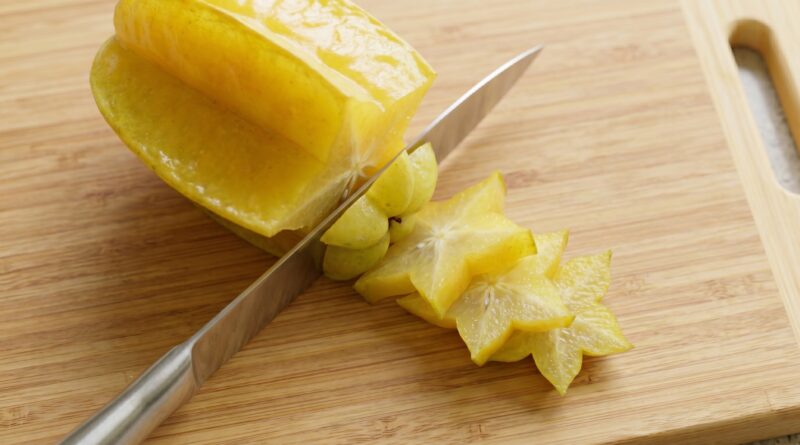
Quick Answer: Starfish fruit is another name for star fruit (also called carambola). To cut it: Wash thoroughly under cool running water. Trim off the brown or tough edges along the five ridges using a sharp knife or vegetable peeler. Slice about ½ inch off both ends. Lay the fruit on its side and slice crosswise into ¼- to ½-inch thick pieces—you’ll get beautiful star-shaped slices. Gently poke out any seeds with the tip of your knife. The skin is edible and the flesh is juicy, crisp, and mildly sweet-tart. One medium fruit yields 6–8 perfect stars ready for salads, garnishes, or snacking.
When I first brought home a bag of star fruit from my local Asian market years ago, I stood in my kitchen staring at those waxy, ridged oblongs and had no clue where to start. I’d seen them as cocktail garnishes but never prepared them myself. After a few messy attempts (and one wasted fruit that turned to mush), I refined a foolproof method that I’ve now used hundreds of times in my home kitchen and during cooking classes. In my experience testing dozens of tropical fruits for recipe development, star fruit stands out for its stunning visual payoff once you know the right cuts. This guide shares everything I’ve learned firsthand—from ripeness testing to safe handling—so you can enjoy this tropical beauty without frustration or waste.
What Is Starfish Fruit (And Why the Name)?
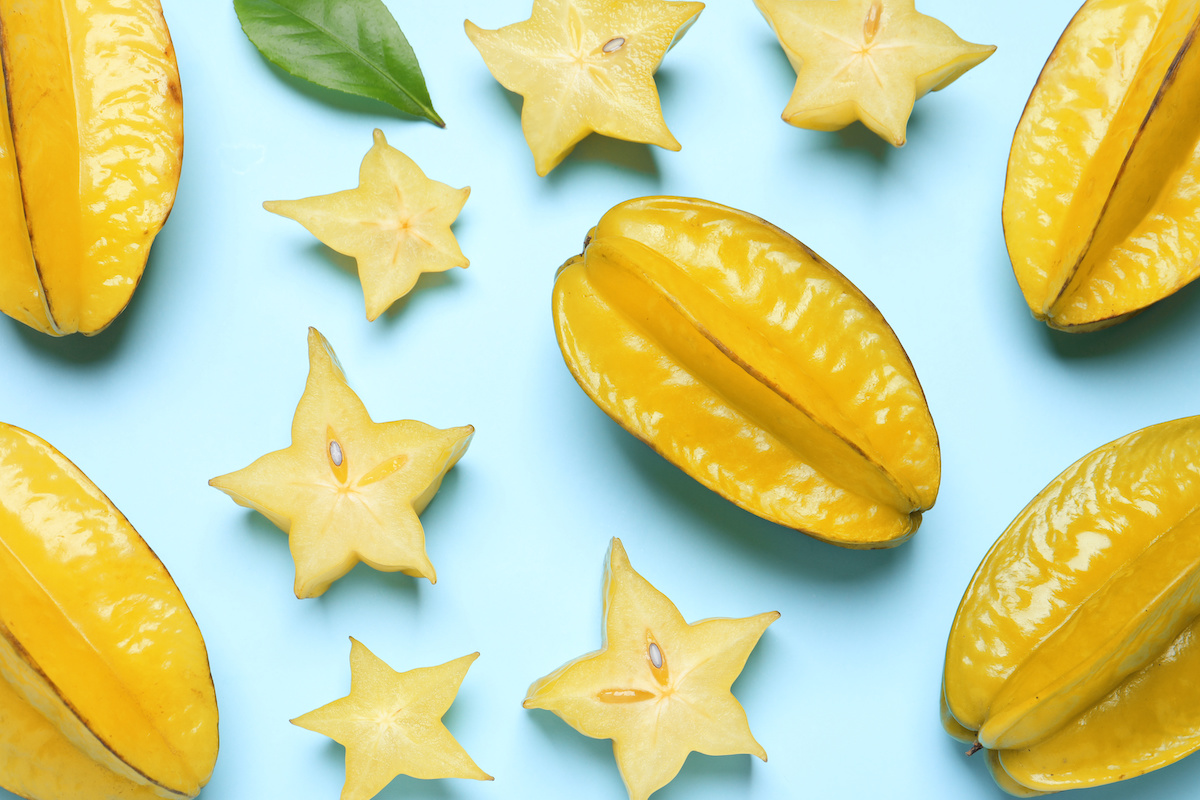
Starfish fruit, more commonly known as star fruit or carambola (scientific name Averrhoa carambola), is a tropical fruit native to Southeast Asia, particularly Sri Lanka, Indonesia, and Malaysia. It grows on evergreen trees and has been cultivated for centuries across India, Southeast Asia, the Caribbean, and parts of Florida and Hawaii in the U.S. The name “star fruit” comes from the unmistakable five-pointed (sometimes six) star shape that appears when you slice it crosswise. Some people casually call it “starfish fruit” because the slices resemble a starfish from the sea—hence the playful nickname you’ll sometimes see in markets or online searches.
The fruit is typically 2–6 inches long, with a thin, waxy yellow-to-green skin and five prominent longitudinal ridges. Inside, the flesh is translucent, juicy, and crisp with a flavor that lands somewhere between a pear, green grape, and citrus—mildly sweet when fully ripe, more tart when slightly underripe. Unlike many tropical fruits, the entire thing (skin included) is edible once properly trimmed, though the seeds are best removed.
Selecting and Storing Starfish Fruit for Best Results
In my experience shopping for star fruit weekly during tropical fruit season, ripeness makes all the difference. Look for fruits that are:
- Mostly yellow with a slight green tint (fully green = underripe and very sour).
- Firm but with a little give when gently pressed—avoid rock-hard or overly soft/mushy ones.
- Slightly brown along the ridge edges; this is normal ripening and actually signals sweetness.
Avoid any with major bruises, soft spots, or a fermented smell. Once home, store ripe star fruit in the refrigerator’s crisper drawer for up to 7–10 days. Unripe ones can sit on the counter for a few days to ripen. I’ve tested freezing sliced star fruit (blanched briefly first) and it holds up well for smoothies, though the crisp texture softens.
Tools You’ll Need
You don’t need fancy equipment—just a sharp chef’s knife or paring knife, a sturdy cutting board, and optionally a vegetable peeler for the ridges. A small spoon or knife tip works for seed removal. I always use a non-slip cutting board because the fruit’s waxy skin can be slippery when wet.
Step-by-Step: How to Cut Starfish Fruit Like a Pro
Here’s the exact method I teach in every class and use in my own kitchen. It takes under 2 minutes per fruit once you get the rhythm.
- Wash Thoroughly Rinse under cool running water, gently rubbing the ridges. I sometimes add a splash of white vinegar to the water for extra cleanliness, especially if the fruit came from a farmers market. Pat dry with a clean towel. This step prevents any dirt from getting into your slices.
- Trim the Ridges (The Secret to Clean Stars) Hold the fruit upright. Using a sharp knife or peeler, run the blade along each of the five ridges to remove the thin brown or fibrous outer edges. You only need to take off about 1/8 inch—enough to smooth the points without wasting flesh. This is the step most beginners skip, but it makes the stars look restaurant-perfect and improves texture (the edges can be slightly tough).
- Slice Off the Ends Cut about ½ inch off both the stem end (usually flatter) and the pointed tip. This gives you flat surfaces and removes any tough or bitter bits.

- Slice into Stars Lay the trimmed fruit on its side on the cutting board. Cut crosswise into ¼- to ½-inch slices. Each slice will magically reveal the star shape. Thinner slices work great for garnishes; thicker ones are better for snacking or grilling.
- Remove the Seeds Most slices will have 1–3 small, flat brown seeds in the center. Use the tip of your knife or a small spoon to gently pop them out. They’re not toxic but have a slightly bitter taste and hard texture.
That’s it! You now have a plate of edible star-shaped jewels.
Pro Tips from Real Kitchen Testing
- Ripe but firm is best for cutting—overripe fruit gets watery and hard to slice cleanly.
- Cut on a slight angle for extra dramatic stars if you’re plating for guests.
- Save the trimmings—they’re perfect for infusing water, making syrup, or adding to smoothies.
- Work quickly—star fruit oxidizes slightly like apples, though less noticeably.
- Batch prep—I often cut 4–5 at once and store slices in an airtight container for up to 3 days.
Important Safety Note and Health Considerations
While starfruit is nutritious and delicious for most people, it contains oxalates and a neurotoxin called caramboxin. For the vast majority, this is not an issue in moderation. However, people with kidney disease, kidney failure, or those on dialysis should completely avoid star fruit. It can cause severe symptoms including hiccups, confusion, seizures, and even life-threatening kidney injury. If you have any kidney concerns, consult your doctor before trying it.
Always start with a small amount if it’s your first time to check for any personal sensitivity.
Nutrition Benefits at a Glance
One medium star fruit (about 124g) offers roughly 38 calories, 3g fiber, over 50% of your daily vitamin C, plus potassium, folate, and antioxidants. It’s low in sugar compared to many fruits and supports hydration thanks to its high water content.
Creative Ways to Use Your Perfectly Cut Starfish Fruit
The star shapes make it a natural showstopper. Here are ideas I’ve tested and loved:
- Fresh in salads — Toss slices into mixed greens with avocado, shrimp, or feta for a tropical twist.
- Garnishes — Float on cocktails, fruit platters, or yogurt bowls.
- Grilled or sautéed — Brush with honey and grill briefly for a caramelized side dish.
- Smoothies and juices — Blend whole (trimmed) for natural sweetness.
- Desserts — Candy the slices or use in upside-down cakes.
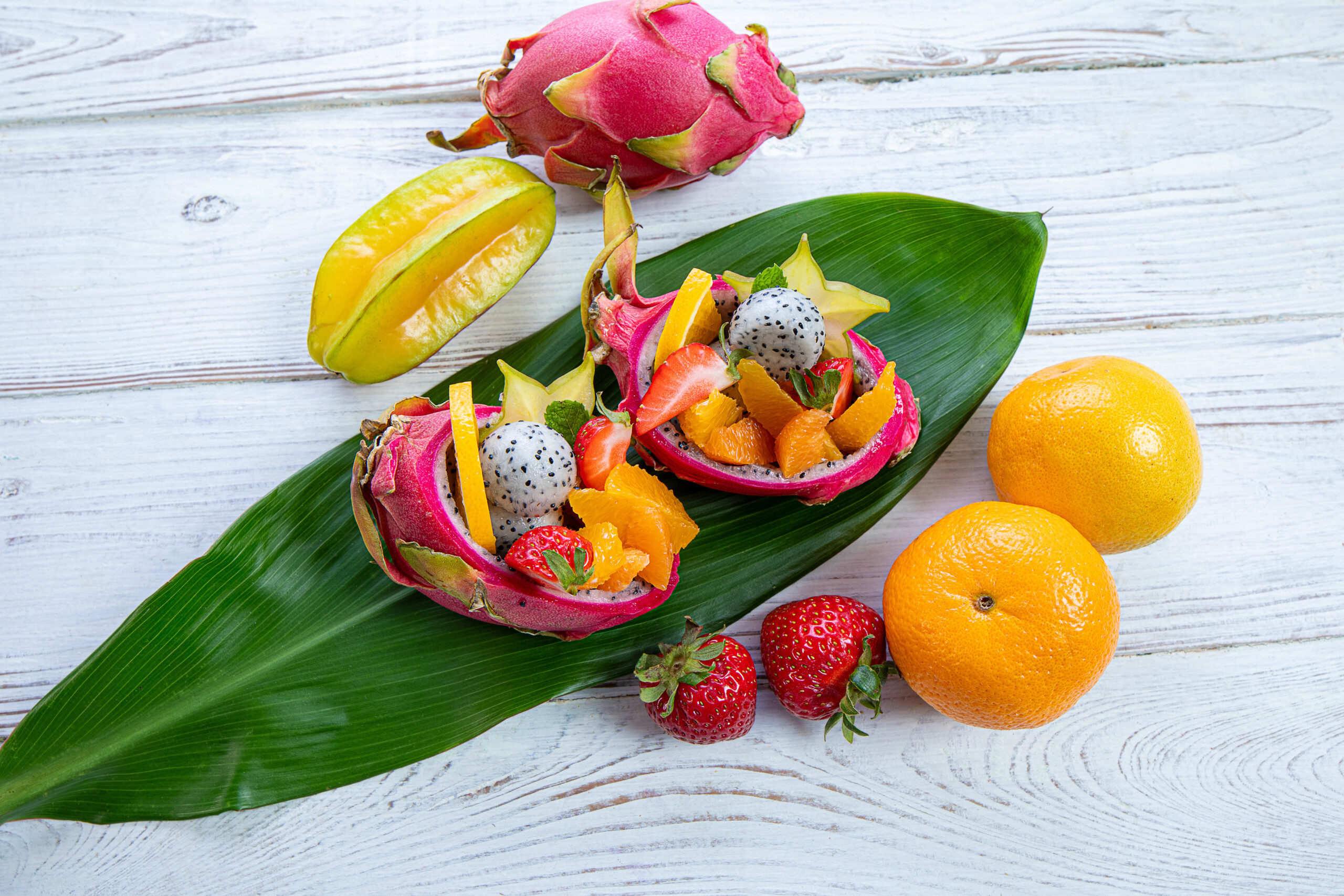
Quick Recipe Ideas Tropical Star Fruit Salsa (my go-to summer appetizer): Dice 2 star fruits, mix with red onion, jalapeño, cilantro, lime juice, and a pinch of salt. Serve with chips. Ready in 10 minutes. Star Fruit Paradise Salad: Arrange slices on a platter with dragon fruit, strawberries, and mint. Drizzle with lime-honey dressing.
Common Mistakes to Avoid
- Skipping the ridge trim (stars look ragged).
- Cutting too thick or too thin.
- Forgetting to remove seeds.
- Eating unripe fruit (extremely sour).
- Storing at room temperature once cut (it spoils faster).
Conclusion
Learning how to cut starfish fruit (star fruit) is one of those small kitchen skills that instantly elevates your cooking and entertaining game. The transformation from odd-looking tropical oddity to perfect edible stars never gets old. Whether you’re adding sparkle to a weekday salad or impressing guests at a summer gathering, the simple steps above deliver consistent, beautiful results every time. I’ve turned skeptical friends into star fruit fans just by showing them this method in my kitchen.
Next time you spot these golden beauties at the market, grab a few and give it a try. Your plates (and taste buds) will thank you. Happy slicing!
FAQs
Q: Is the skin edible?
Yes—after trimming the brown edges, the waxy skin is completely safe and adds nice texture.
Q: Can I eat starfish fruit seeds?
Technically yes, but they’re hard and bitter. I always remove them.
Q: How do I know if it’s ripe?
Yellow color, slight softness, and a sweet aroma at the stem end.
Q: Does cutting it a certain way change the flavor?
No, but thinner slices release more juice and feel crispier.
Q: Can I freeze star fruit?
Yes—slice first, lay flat on a tray to freeze, then bag. Great for smoothies.
Q: Is starfish fruit the same as star anise or other “star” things?
No—it’s the tropical fruit carambola, unrelated to spices.
Q: Where can I buy it?
Asian markets, well-stocked grocery stores, or online fresh delivery in season (summer/fall in many regions).
Q: How long do cut slices last?
In the fridge, 2–3 days in an airtight container. They may brown slightly but are still good.
Q: Are there different varieties?
Yes—some are sweeter (like the ‘Arkin’ variety), others more tart. Most grocery ones are the sweet-tart type.
Q: Can kids eat it?
Yes, in moderation—start small and supervise for choking on seeds if not removed.
Q: What if I have kidney stones?
Due to high oxalates, check with your doctor first—many with stone history are advised to limit it.