Homeschool Organizations | Support & Resources
Quick Answer Homeschool organizations are networks, associations, and groups—ranging from national legal advocates like HSLDA to state-level associations and local support groups—that provide community, legal protection, educational resources, events, and practical guidance to homeschooling families. They help families navigate compliance, connect with like-minded parents, access curriculum advice and mentorship, and advocate for homeschool freedom at local and national levels. Joining the right organization(s) can reduce isolation, offer proven strategies from experienced homeschoolers, and create a support system that makes the homeschool journey more sustainable and enjoyable. Most families benefit from a combination of one national legal organization, their state association, and at least one local group. Costs vary from free local meetups to $100–$150+ annual memberships for comprehensive national groups. Always align membership with your family’s values, needs, and location.
Last Updated: June 20, 2026
Why Homeschool Organizations Matter More Than Ever
Homeschooling is one of the most rewarding yet demanding paths a family can choose. The freedom to tailor education to your child’s unique needs, pace, and interests comes with significant responsibility—legal compliance, curriculum decisions, socialization, record-keeping, and the occasional doubt about whether you’re “doing it right.”
This is where homeschool organizations step in. They are not just clubs or social circles (though many include those elements). They are structured networks that provide the infrastructure, advocacy, knowledge base, and human connection that help homeschooling thrive at scale.
In my experience working with hundreds of families over the years—both brand-new homeschoolers and veterans navigating high school transcripts or special needs—I’ve consistently observed that families who connect with solid organizations report lower burnout, better access to resources, and greater confidence in their legal standing. One mother told me recently, “Joining our state organization felt like getting the owner’s manual for homeschooling in [our state]. I stopped guessing and started thriving.”
This comprehensive guide explores what homeschool organizations are, the different types available, the real benefits and honest limitations, how to choose the right ones for your family, and practical steps to get connected. Whether you’re just starting out or looking to deepen your involvement, this resource will help you build a support system that strengthens both your homeschool and your family.
What Are Homeschool Organizations?
Homeschool organizations are formal or informal groups created by and for homeschooling families. They range from small local playgroups and curriculum co-ops to large statewide associations and national legal defense organizations.
Their core purposes typically include:
- Community and encouragement — Reducing the isolation that can come with home education.
- Legal advocacy and protection — Defending the right to homeschool and assisting members facing challenges.
- Educational resources and training — Workshops, webinars, articles, and mentorship on teaching methods, curriculum, and high school.
- Practical support — Help with state compliance, record-keeping, transcripts, and accountability (in states that require it).
- Events and networking — Conferences, conventions, field trips, sports leagues, and social gatherings.
- Information sharing — Keeping families updated on laws, best practices, and emerging opportunities.
Some organizations are explicitly faith-based (Christian, Catholic, etc.), while others are intentionally secular or inclusive. Some focus heavily on legal and political advocacy; others emphasize social connection and hands-on learning support.
The common thread is that they exist because homeschooling works best when families don’t have to figure everything out alone.
Types of Homeschool Organizations
Understanding the landscape helps you choose wisely.
1. National Legal and Advocacy Organizations The most prominent example is the Home School Legal Defense Association (HSLDA). With over 90,000 member families, it is the largest and most established national organization focused on protecting homeschool freedom through legal defense, legislative advocacy, and member resources (webinars, coaching, articles). HSLDA also maintains excellent directories of state organizations and local groups.
2. Statewide Homeschool Associations Nearly every state has at least one statewide organization. Examples include the Homeschool Association of California (HSC), South Carolina Home Educators Association (SCHEA), and many others. These groups often provide state-specific legal information, legislative monitoring, conferences, and connections to local groups. HSLDA maintains a helpful reference list of statewide organizations.
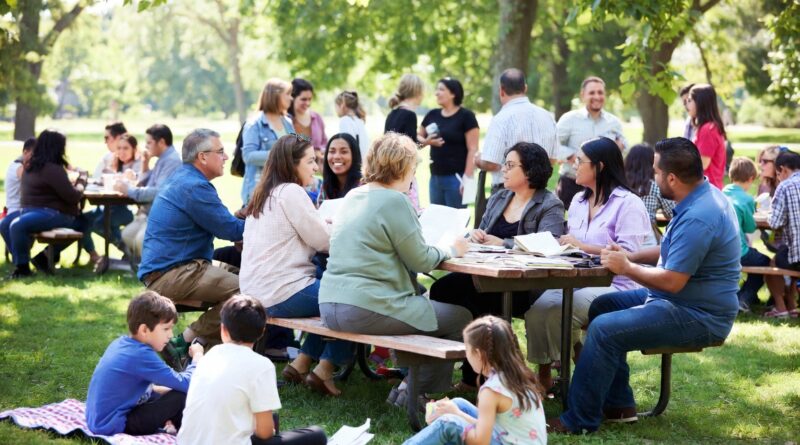
3. Local and Regional Support Groups These are the heart of day-to-day community. They might meet weekly for park days, co-ops, or mom’s nights; organize field trips and holiday events; or run used curriculum sales. Some are very casual; others are more structured with membership and leadership.
4. Specialized or Demographic-Specific Groups
- Faith-based (Christian, Catholic, Messianic, etc.)
- Secular or inclusive organizations
- Groups for specific needs (special needs, gifted, ADHD, etc.)
- Demographic-focused (e.g., National Black Home Educators)
- Accountability associations (in states like South Carolina that offer “third option” structures)
5. Umbrella or Hybrid Structures Some families use an umbrella school or association that handles certain legal or record-keeping functions while still allowing significant home-based freedom.
Many families strategically belong to more than one type—national for legal backup, state for compliance guidance, and local for friendship and activities.
The Real Benefits of Joining Homeschool Organizations
Legal Peace of Mind and Advocacy National groups like HSLDA provide legal representation if a family faces challenges from authorities. They also work proactively in legislatures to protect and expand homeschool freedoms. In my observation, having this layer of protection allows parents to focus on teaching rather than worrying about worst-case scenarios.
Practical, State-Specific Guidance State organizations are often the best source for understanding your particular state’s homeschool law, filing requirements, testing or portfolio options, and high school diploma pathways. New families especially benefit from this “insider knowledge” that prevents common mistakes.
Community That Actually Understands Homeschooling can feel lonely, especially in the early years or during challenging seasons (teen years, special needs, multiple ages). Organizations create spaces where parents can share wins, struggles, and practical solutions with people who “get it.” Many long-term homeschoolers credit their support network with helping them persevere.
Resources and Ongoing Education Most organizations offer webinars, articles, conferences, and mentorship programs. Topics range from “Teaching Reading to Reluctant Learners” to “Creating a High School Transcript.” This professional development for parents is often more targeted and affordable than general education conferences.
Events, Activities, and Socialization From large annual conventions to weekly park days and sports leagues, organizations make it easier to provide group experiences, field trips, and peer interaction without parents having to organize everything themselves.
Mentorship and Encouragement Experienced homeschool parents often serve as informal or formal mentors. This passing down of wisdom—curriculum recommendations that actually worked, burnout prevention strategies, or how to handle college applications—is invaluable.
Collective Voice When issues arise that affect all homeschoolers (proposed legislation, media narratives, etc.), organized groups can respond more effectively than isolated families.
Honest Considerations and Potential Drawbacks
While the benefits are significant, it’s important to be transparent:
- Cost — National memberships (like HSLDA) typically run $100–$150+ per year. State and local groups may charge smaller fees or be free/volunteer-run. Some families on tight budgets prioritize carefully or start with free local options.
- Time Commitment — Active participation can add events and meetings to an already full schedule. It’s okay to be a “lurker” member who mainly uses resources rather than volunteering heavily.
- Philosophical Alignment — Some organizations have strong faith statements or political leanings. Others are intentionally broad. Mismatched values can lead to discomfort or conflict.
- Group Dynamics — Like any community, homeschool groups can experience personality clashes, leadership transitions, or internal disagreements. A few families have shared stories of groups that became overly rigid or dramatic.
- Not a Substitute for Personal Responsibility — Organizations provide support and information, but you remain the primary educator and decision-maker for your children.
- Quality Varies — Not every group is well-run or equally helpful. Some local groups fizzle out; some state orgs are more active than others.
The key is approaching membership with realistic expectations and a willingness to try a group for a season before committing long-term.
How to Choose the Right Homeschool Organizations for Your Family
Start with these questions:
- What are my primary needs right now? (Legal protection, state compliance help, social connection, curriculum advice, special needs support?)
- What are my family’s values and preferences? (Faith-based, secular/inclusive, classical, unschooling-leaning, etc.)
- How much time and money can I realistically invest?
- Do I prefer large structured organizations or smaller informal groups?
Recommended Starting Strategy (used successfully by many families):
- Join HSLDA for national legal protection and excellent general resources.
- Connect with your statewide homeschool organization for localized guidance.
- Find one or two local or regional groups that match your philosophy and children’s ages for community and activities.
HSLDA offers a helpful group search feature and maintains a list of state organizations to make this easier.
When evaluating a specific group, consider:
- Their statement of faith or mission (if any)
- How active and responsive leadership is
- What resources and events they actually provide
- Member reviews or word-of-mouth from current families
- Whether they align with your long-term goals (e.g., high school support, college prep)
Practical Tips for Getting the Most from Homeschool Organizations
- Start small — Attend a few events or use online resources before becoming a full member.
- Introduce yourself — Don’t be shy about reaching out to leadership or other parents. Most homeschool communities are welcoming to newcomers.
- Contribute where you can — Even small acts (bringing snacks, sharing a resource, helping at an event) build relationships and goodwill.
- Use the resources actively — Many families pay for membership but rarely log in or attend. Set reminders to check webinars or articles.
- Network across groups — It’s common and often beneficial to belong to multiple complementary organizations.
- Consider starting something — If your area lacks a group that fits, HSLDA and many state organizations have resources on how to start one.
- Re-evaluate periodically — As your children grow or your needs change, the best organizations for your family may shift.
High-Authority Resources to Explore
For legal protection, state-specific guidance, and group directories, the Home School Legal Defense Association (HSLDA) is one of the most established and trusted national resources: hslda.org. They also maintain helpful tools for finding state organizations and local groups.
Other directories and state associations can be found through targeted searches or recommendations from HSLDA’s resources. Always cross-check information against official state education department websites for the most current legal requirements.
Conclusion: Building Your Homeschool Support System
Homeschooling was never meant to be a solitary endeavor. While the daily work of education happens at home, the broader ecosystem of support, advocacy, knowledge, and friendship provided by homeschool organizations makes the journey more sustainable, informed, and joyful for thousands of families.
Whether you begin with HSLDA for legal confidence, your state association for localized wisdom, or a welcoming local group for friendship and activities, the important step is connecting. The families who thrive long-term are rarely the ones trying to do everything in isolation.
Take the time to explore options that align with your values and season of life. Reach out, ask questions, attend an event or two, and see where you feel a sense of belonging and practical help. The right organizations won’t just give you resources—they’ll remind you that you’re part of a vibrant, growing movement of families choosing to educate their children at home with intention and care.
You don’t have to have it all figured out alone. Strong homeschool organizations exist precisely so you don’t have to.
FAQs
Do I need to join an organization to homeschool legally?
In most states, no. However, some states have accountability or umbrella options through associations, and joining can simplify compliance or provide valuable support. Always verify your specific state’s requirements.
Is HSLDA worth the cost?
Many families find the legal protection, resources, and peace of mind justify the membership fee, especially if they value having expert backup. Others on very tight budgets start with free or low-cost local and state options. It’s a personal decision based on your risk tolerance and needs.
Are homeschool organizations only for Christian families?
No. While many are faith-based, there are explicitly secular, inclusive, and diverse organizations (such as the Homeschool Association of California). You can find groups that match your worldview.
Can I join more than one organization?
Absolutely. Most families belong to a combination of national, state, and local groups.
How do I find groups in my area?
Start with HSLDA’s group search or state organization list. Other good starting points include local Facebook groups, the directory at home-school.com/groups, or asking at curriculum fairs and conferences.
What if I disagree with some of an organization’s positions?
You can still benefit from resources or community while maintaining your own views. Some families participate selectively. If core values conflict significantly, it may be better to look elsewhere.
Do organizations help with high school and college prep?
Many do especially state associations and larger groups. They often offer transcript templates, guidance on dual enrollment, standardized testing information, and college application support.
Are there organizations for specific needs (special needs, gifted, etc.)?
Yes. Search for groups focused on your child’s particular situation. National organizations sometimes have special needs or gifted committees or resources as well.
How active do I have to be?
You can be as involved or hands-off as you like. Many members primarily use online resources and attend occasional events.
What if there are no good groups near me?
Consider online communities, starting a small local group yourself (with guidance from established organizations), or focusing on strong national and state memberships plus virtual connections.