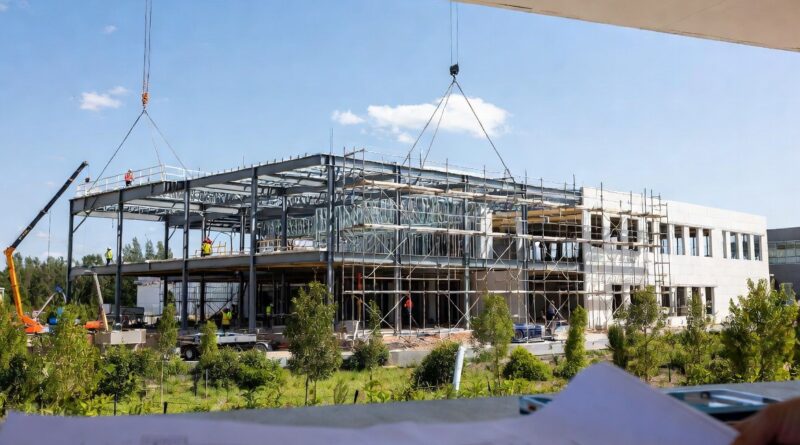
How Long Does It Really Take to Build a School?
Quick Answer Building a new K-12 school typically takes 3 to 7 years from initial concept and needs assessment to the day the first students walk through the doors. Renovations, additions, or adaptive reuse of existing buildings can often be completed in 6 months to 2.5 years.
The timeline breaks down roughly as:
- Planning, feasibility, and funding (including bond campaigns for public schools): 6–24+ months
- Design and architecture: 6–24 months
- Permitting, approvals, and environmental reviews: 3–18+ months
- Bidding and procurement: 2–6 months
- Actual construction: 12–30+ months (new builds)
- Furnishing, technology integration, commissioning, and staff preparation: 2–6 months
These are realistic ranges based on industry data and district experiences. Many projects experience delays of 6–18 months due to regulatory hurdles, funding processes, supply chain issues, or community input. Private, charter, or microschool projects are often faster than large public bond-funded builds. Always build in significant contingency time and budget.
Last Updated: June 21, 2026
Introduction: Why Understanding School Construction Timelines Matters
Schools are among the most complex buildings communities invest in. They must meet strict educational, safety, accessibility, and sustainability standards while serving hundreds or thousands of students for 50+ years. Unlike commercial offices or homes, school projects involve extensive stakeholder input (educators, parents, students, boards, and taxpayers), specialized spaces (science labs, gymnasiums, cafeterias, special education suites), and often public funding processes.
In my research reviewing dozens of school construction projects, district reports, and industry analyses from 2024–2026, one consistent theme emerges: optimistic timelines are the most common source of frustration and cost overruns. Districts and private school leaders who start planning with realistic expectations—and engage experienced professionals early—consistently achieve better outcomes.
This guide provides a transparent, phase-by-phase breakdown grounded in real project data, highlights factors that extend or compress timelines, shares practical lessons from successful (and delayed) projects, and offers actionable advice for anyone involved in planning a new school, renovation, or expansion.
Key Factors That Determine How Long It Takes to Build a School
No two projects are identical. Timelines vary based on:
- Project Type and Scope: New ground-up construction takes longest. Renovations or additions to occupied schools are often phased around the academic calendar, extending overall duration but minimizing disruption.
- Location and Jurisdiction: Strict regulatory environments (e.g., California with seismic, environmental, and DSA oversight) add significant time compared to more streamlined states. Urban sites with limited space or historic considerations move slower than suburban greenfield sites.
- Funding Method: Public bond measures require voter approval, needs assessments, and campaigns—adding 1–2+ years before design even begins. Private schools or charter organizations with secured funding or donations move faster.
- Size and Complexity: A small elementary school or microschool is quicker than a comprehensive high school with CTE programs, athletic complexes, or performing arts centers. Sustainable or net-zero energy goals can add upfront design time but may streamline later phases.
- Labor, Materials, and Supply Chain: Post-pandemic lead times for HVAC, electrical gear, windows, and specialized equipment remain extended (often 6–12+ months). Labor shortages in certain regions slow progress.
- Stakeholder Engagement and Decision-Making: Community input, board approvals, and educator involvement are essential but time-consuming. Late changes ripple through the entire schedule.
- Site Conditions: Environmental assessments, soil issues, remediation (asbestos, lead), or utility relocations frequently cause surprises.
Industry observation: According to analyses from education facility experts, new public school projects in the U.S. commonly span 4–7 years total, while Ontario reports an average of 4–7 years for modern schools. Smaller or private initiatives can achieve functional completion in 18–36 months when funding and approvals align smoothly.
Phase-by-Phase Breakdown of the School Building Process
Here is a realistic timeline based on industry benchmarks from sources like Grow Schools analyses and the Associated General Contractors (AGC) School Construction Guide.
1. Planning, Feasibility, and Funding (6–24+ months) This foundational phase includes needs assessments, demographic studies, site selection or evaluation, educational specifications (what spaces are required and how they support learning), and securing funding. For public schools, this often involves bond referendums, community engagement campaigns, and voter approval.
Private or charter schools may complete this in 6–12 months with donor or investor backing. Public projects frequently take 12–24+ months due to political and procedural requirements. Early engagement of architects and construction managers during this phase dramatically improves later accuracy.
2. Design and Architecture (6–24 months) Architects and engineers develop the project through schematic design, design development, and construction documents. This includes floor plans, elevations, structural engineering, mechanical/electrical/plumbing systems, and compliance with educational and building codes.
- Small renovations: 1–3 months
- Moderate projects: 6–12 months
- Large new schools or complex campuses: 12–24 months
Multiple rounds of review with school stakeholders (teachers, administrators, maintenance staff) are essential. Early contractor involvement (design-build or CMAR delivery methods) can overlap design and construction planning, shaving months off the total timeline.
3. Permitting, Approvals, and Environmental Reviews (3–18+ months) This is frequently the biggest variable and source of delays. Local building departments, state education agencies, fire marshals, health departments, and environmental regulators review plans. Projects requiring environmental impact studies (common for new sites) or historic preservation reviews can extend significantly.
Efficient jurisdictions with experienced teams may approve in 1–4 months. Complex projects or those in highly regulated areas (California DSA process, New York ULURP, etc.) often require 6–18+ months and multiple resubmissions. Starting permitting conversations during late design helps.
4. Bidding, Procurement, and Contractor Selection (2–6 months) Once documents are permitted (or nearly so), the project goes out to bid or proposals are solicited. This includes contractor prequalification, bid review, negotiations, and contract award. Early procurement of long-lead items (HVAC, switchgear, windows) during this phase prevents construction delays.
5. Construction (12–36 months) Actual building begins after mobilization, site work, foundations, structure, envelope, interiors, and systems installation.
- New K-12 school: Typically 18–30 months of active construction.
- Renovations/additions on occupied campuses: Often limited to summer or phased periods (2.5–3 months per summer), extending the calendar timeline to 12–36 months total.
Weather, material delays, change orders, and unforeseen site conditions (rock, water, utilities) are common. Modern techniques like prefabricated modular components or Building Information Modeling (BIM) can accelerate this phase.
6. Commissioning, Furnishing, Equipping, and Opening (2–6 months) Final inspections, systems testing (commissioning), installation of furniture/fixtures/equipment (FF&E), technology infrastructure, landscaping, staff training, and move-in occur. Certificate of Occupancy is issued, followed by a punch-list period for corrections. Schools often open mid-year or in fall after summer construction windows.
Total Realistic Timeline Summary
- New public school (bond-funded): 4–7 years typical.
- New private/charter or smaller facility: 2–4 years.
- Major renovation or addition: 6 months–2.5 years.
- Microschool or adaptive reuse: 6–18 months.
These ranges include buffers; actual projects without contingencies frequently slip.
Real-World Insights and Common Challenges
When I examined timelines from various U.S. districts and industry reports, several patterns stand out. Bond-funded projects often see 12–24 months from voter approval to groundbreaking because of detailed planning and procurement rules. Supply chain bottlenecks—particularly for mechanical systems—have added 6–12 months to many post-2020 projects.
Community opposition or extensive public comment periods, while valuable for buy-in, can extend permitting by months. Conversely, projects using design-build delivery or strong early contractor involvement consistently finish closer to original schedules.
Cost of delays: Every extra month of construction adds “general conditions” costs (site supervision, trailers, insurance, extended financing) and exposes the project to material price inflation. A 12-month delay on a $50 million project can easily add millions in soft costs.
Success factors observed: Districts and organizations that treated timeline development as seriously as budget—engaging architects, construction managers, and legal experts from day one achieved the best results. Those that rushed or assumed “it will only take two years” paid the price in rushed decisions and change orders.
Modern Approaches That Can Shorten Timelines
- Design-Build or CMAR (Construction Manager at Risk): Overlaps design and construction, reduces change orders, and improves schedule reliability.
- Modular and Prefabricated Construction: Factory-built classroom wings or entire buildings can cut on-site construction time by 30–50% in some cases.
- Early Procurement and Long-Lead Item Management: Ordering critical equipment during design or bidding prevents idle crews later.
- Phased or Summer-Only Construction Strategies: For occupied sites, careful phasing protects learning while extending overall calendar time.
- Technology and Collaboration Tools: BIM, project management platforms, and virtual reality walkthroughs reduce misunderstandings and rework.
- Sustainability Integration: While green building goals add some design time, they often qualify projects for incentives and result in more efficient long-term operations.
How to Plan for a Realistic and Successful Timeline
- Start Early — Identify facility needs 3–5 years before desired opening. Begin professional team selection immediately upon recognizing the need.
- Engage the Right Team — Hire architects and construction professionals experienced specifically in educational facilities. Their knowledge of codes, educational specifications, and common pitfalls saves enormous time.
- Build in Contingency — Add 20–30% (or more) buffer to both schedule and budget for unknowns.
- Prioritize Clear Decision-Making — Establish governance structures and approval processes upfront to avoid late changes.
- Communicate Transparently — Keep stakeholders informed; manage expectations about realistic timelines from the beginning.
- Consider Delivery Method and Procurement Strategy Early — These choices significantly impact speed and risk allocation.
- Monitor Long-Lead Items and Supply Chain — Proactive management here prevents many construction delays.
- Plan for Post-Construction — Allocate time and budget for FF&E, technology, training, and a smooth transition.
Conclusion
Building a school is a major, multi-year community investment that shapes education for decades. While timelines vary widely—typically 3–7 years for new construction and significantly less for renovations—the projects that succeed on schedule share common traits: realistic planning from the outset, early engagement of experienced professionals, proactive risk management, and a commitment to clear communication among all stakeholders.
There is no universal “fast track” that bypasses necessary due diligence, safety reviews, or community input. However, modern delivery methods, prefabrication, and disciplined project management can meaningfully compress schedules without sacrificing quality.
Whether you are a school board member, administrator, private school leader, or community advocate, the most valuable step you can take today is to begin the conversation with qualified educational facility planners and construction experts. With thoughtful preparation, your project can deliver a safe, inspiring learning environment on a timeline that serves students and taxpayers well.
The buildings we construct today will educate the next generation. Taking the time to plan properly is one of the most important investments we can make in their future.
FAQs
What is the shortest realistic timeline to build a completely new school?
For a small private school, charter, or microschool using adaptive reuse or modular construction with secured funding and streamlined approvals, functional completion in 12–24 months is possible. Large traditional public schools rarely open in less than 3–4 years.
How much longer do public bond-funded school projects typically take compared to private ones?
Public projects often add 12–24+ months for bond campaigning, voter approval, and additional oversight/competitive bidding requirements. Private or donor-funded projects can move significantly faster once financing is confirmed.
What are the biggest causes of delays in school construction?
Common culprits include permitting and environmental reviews, extended material lead times (especially HVAC and electrical), unforeseen site conditions, late design changes, labor shortages, and phased work required around the school calendar on occupied campuses.
Can modular or prefabricated construction really speed up building a school?
Yes. In many cases, modular components or entire classroom wings built off-site can reduce on-site construction time by 30–50%, though design and permitting timelines remain similar. It works best when integrated early in the process.
How do renovations or additions compare in timeline to new construction?
Renovations and additions are usually much faster in active construction time (often completed in summer windows) but the overall calendar can stretch because work must be phased around students and staff. A major renovation might take 12–24 months total versus 3–5+ years for a comparable new build.
Does pursuing sustainable or green building certification add significant time?
It can add some upfront design and documentation time, but many projects find the integrated design process ultimately improves efficiency. Incentives and long-term operational savings often justify the investment.
What should school leaders do first when they realize they need new or renovated facilities?
Engage an experienced educational architect or facility planner immediately for a needs assessment and rough timeline/budget. Early professional input prevents costly missteps later.
How do supply chain issues affect school construction timelines in 2026?
While improved from pandemic peaks, long-lead items like mechanical equipment, electrical gear, and specialized windows still require 6–12+ months advance ordering. Proactive procurement during design or bidding is essential.
Are there significant differences in timelines between elementary, middle, and high schools?
High schools and complex middle schools with specialized labs, CTE spaces, and large athletic facilities generally take longer than elementary schools due to greater complexity and square footage.
What happens if a project goes over the planned timeline?
Delays increase soft costs (extended financing, supervision, insurance), expose the project to material price increases, and can disrupt educational programming (temporary facilities, split schedules). Strong contingency planning and experienced teams minimize these impacts.