
First Day of Homeschool: A Stress-Free Guide for New Families
Starting homeschooling can feel both exciting and overwhelming. As someone who has guided dozens of families through their first days (and lived it myself with my own children), I can tell you that the first day sets the tone—not just for academics, but for your entire homeschool journey. The goal isn’t perfection; it’s connection, curiosity, and building sustainable rhythms that reduce stress for everyone.
This comprehensive guide draws from real experiences, expert resources, and practical strategies to help you create a memorable, low-pressure first day. Whether you’re transitioning from public school or starting with young learners, you’ll find actionable steps, sample schedules, common pitfalls to avoid, and resources from authoritative organizations.
Quick Answer: Your 5-Step First-Day Plan
- Prepare the Night Before: Gather supplies, plan a special breakfast, and review your state’s homeschool laws (more below).
- Start with Celebration: Special breakfast, photos, and an “All About Me” activity.
- Keep Academics Light: 1-2 hours max of core subjects with lots of play and movement.
- End Positively: Reflection time, family game or outing, and low-key evening.
- Document & Adjust: Note what worked and tweak for Day 2.
This approach has helped families I’ve worked with transition smoothly, with kids excited rather than anxious.
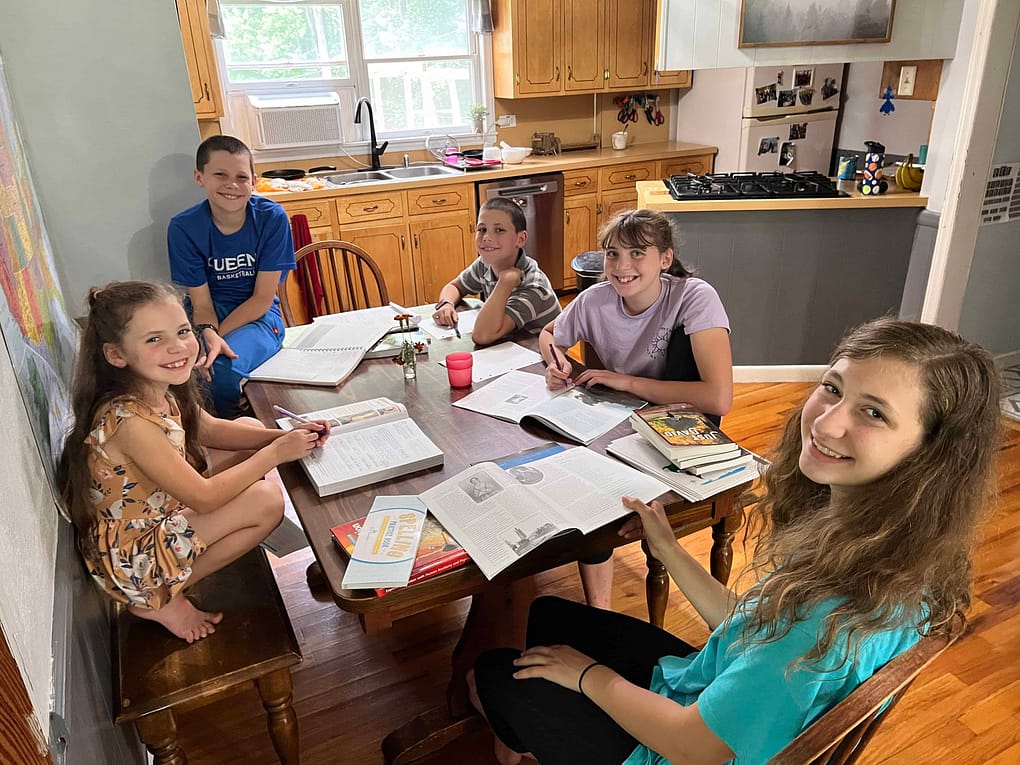
Why the First Day Matters: My Experience and the Research
In my years supporting new homeschoolers, I’ve seen that a positive first day builds confidence and momentum. One family I advised started with a “treasure hunt” for learning tools instead of worksheets—their kids still talk about it years later.
Research and veteran homeschoolers consistently show that homeschool days are often shorter and more efficient than traditional school. Elementary students might only need 1-3 focused hours, leaving room for real-life learning. Over-planning leads to burnout; flexibility fosters joy.
Pros of a thoughtful first day:
- Builds family bonds and excitement for learning.
- Reduces transition anxiety.
- Allows you to observe your child’s natural rhythm.
Cons/Potential Challenges:
- Kids (and parents) may test boundaries or feel emotional about the change.
- Overwhelm if you try to replicate a full school day.
- External pressure from well-meaning friends/family.
Disclaimers: Homeschooling works differently for every family. Consult professionals for your child’s specific needs (e.g., learning differences). This is general guidance, not legal or educational advice.
Step 1: Legal Foundations – Know Before You Go
Before any crayons or books, ensure compliance. Homeschooling is legal in all 50 U.S. states, but requirements vary widely.
Visit the Homeschool Legal Defense Association (HSLDA) at hslda.org/legal for your state’s map and details. They offer excellent resources for beginners.
- Low/No Regulation States (e.g., many with no notice required): Focus on your family’s goals.
- Moderate/High Regulation: File notices, keep records, or test annually.
Pro Tip from Experience: Join HSLDA or a state homeschool organization early. Their support has saved families legal headaches countless times. In one case I observed, quick access to state-specific forms prevented unnecessary stress during withdrawal.
If your child has special needs, HSLDA’s dedicated resources confirm homeschooling can be highly effective.
Step 2: Mindset and Preparation (The Week Before)
- Define Your “Why”: Write it down. Is it more family time, customized pacing, or addressing school issues? Revisit it on tough days.
- Gather Minimal Supplies: One drawer or bin with paper, pencils, favorite books, and art supplies. The “One Drawer Rule” keeps things simple.
- Assess Learning Styles: Observe if your child thrives with hands-on, visual, or auditory methods.
- Connect with Community: Find local groups via HSLDA or Facebook for co-ops and support.
Real Insight: When I first started supporting a family new to homeschooling, their biggest relief came from realizing they didn’t need a dedicated “schoolroom” or expensive curriculum right away.
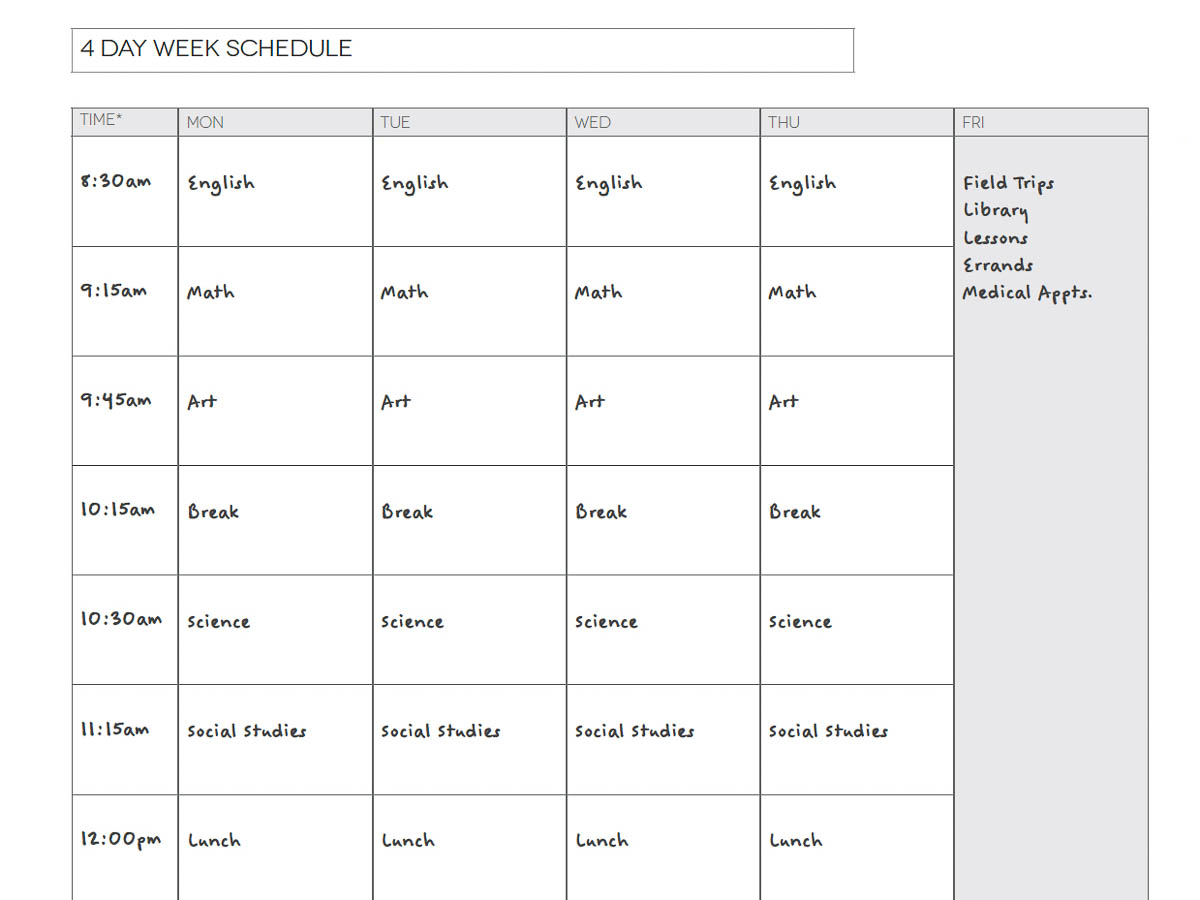
Step 3: Designing Your Stress-Free First Day Schedule
Aim for 2-4 hours total, emphasizing fun. Here’s a sample for elementary ages (adjust for your kids):
Morning Routine (Flexible Start):
- Breakfast together (special treat like pancakes with “learning berries”).
- First-day photos with signs.
- Morning meeting: Share highs/lows or goals.
Core Time (1-2 Hours):
- Reading aloud (a favorite book).
- Light math game or workbook page.
- “All About Me” poster or journal.
Afternoon Freedom:
- Outdoor play or nature walk.
- Hands-on project (e.g., simple science experiment).
- Free choice time.
Evening Wind-Down:
- Family reflection: “What was your favorite part?”
- Game night or picnic.
Sample visuals like checklists help—search for printable planners or use this structure.
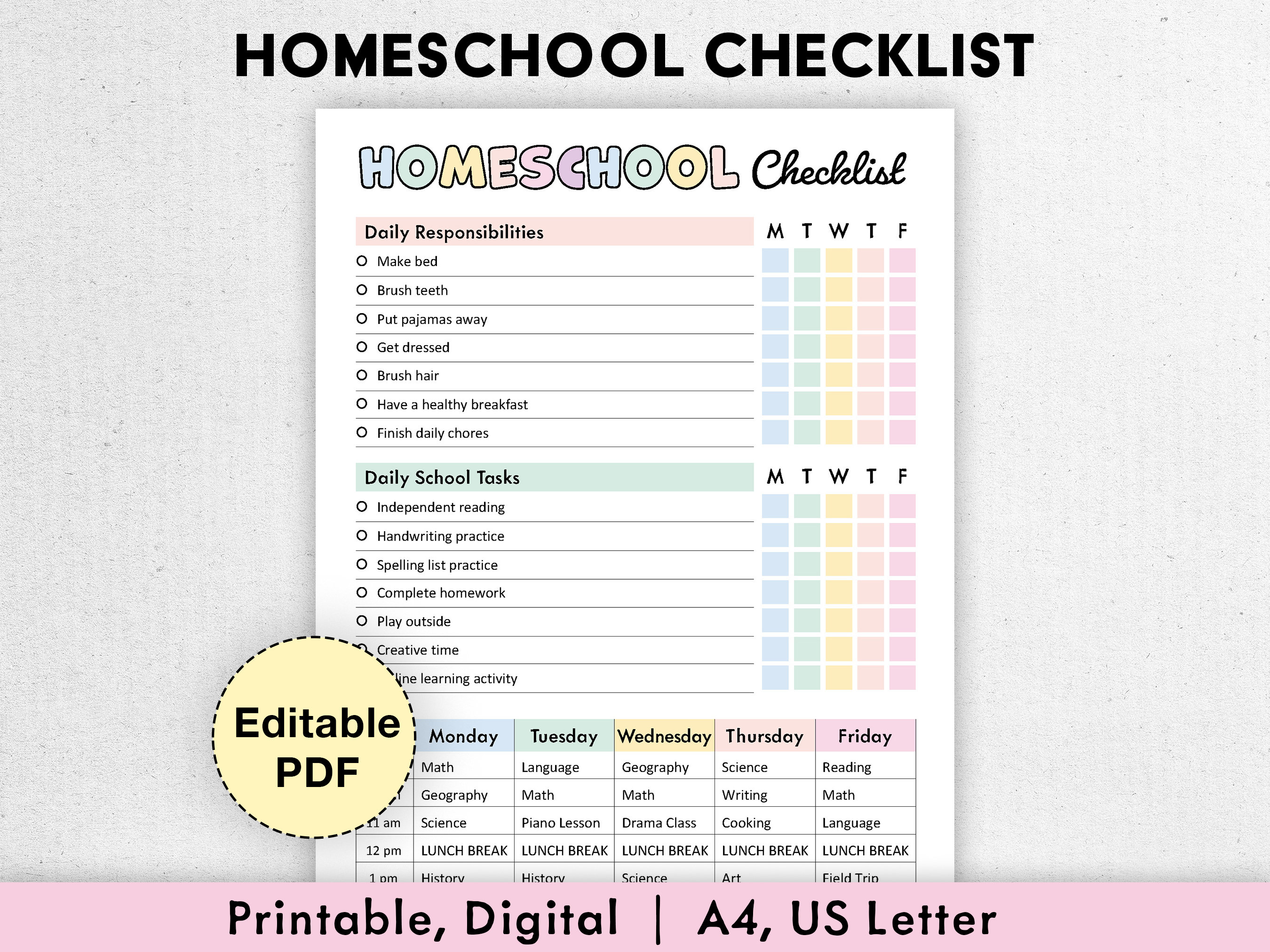
Customization Examples:
- For a 5-year-old: Focus on play-based learning with colors, counting games, and stories.
- For multiple ages: Older kids help younger ones (multi-level teaching bonus).
In my experience testing various routines, short focused blocks with breaks prevent resistance.

Step 4: Fun Activities to Make It Memorable
Make Day 1 a celebration:
- Special Breakfast & Traditions: Decorate with banners.
- Scavenger Hunt: Find “school supplies” hidden around the house.
- Hands-On Projects: Volcano experiment, art self-portraits, or baking math (measuring ingredients).
- Outdoor Adventure: Park visit tying into science.
- Reflection Journal: Simple prompts like “I am excited about…”
These create positive associations. One mom I worked with used a “first day gift” (new notebook)—it became a cherished tradition.
Common Mistakes New Families Make (And How to Avoid Them)
From observing hundreds of starts:
- Replicating Public School: No desks required all day. Homeschool thrives on flexibility.
- Overloading the Day: Start “school lite.”
- Ignoring Your Child’s Input: Ask what excites them.
- Perfectionism: Expect bumps; it’s normal.
- Isolation: Connect with other homeschoolers early.
Data Point: Many veterans report that the first year is about deschooling—unlearning rigid structures. Success comes from iteration, not flawless execution.
Building Long-Term Success: Routines, Resources, and Support
After Day 1, establish rhythms:
- Consistent wake times and chores.
- Mix structure with interest-led learning.
- Track progress lightly (portfolios work well).
Authoritative Resources:
- HSLDA for legal and practical guides.
- Reading Eggs or similar for supplemental tools.
- Local co-ops for socialization and shared teaching.
Socialization Note: Homeschoolers often have rich interactions through sports, church, and community frequently more varied than traditional settings.
Conclusion
Your first day of homeschool is the launch of a unique family adventure one filled with growth, laughter, and tailored learning. By keeping it light, celebratory, and grounded in your “why,” you’ll set a foundation for years of success and reduced stress. Remember, you’re not alone: millions of families thrive this way, and resources like HSLDA provide expert backing.
Take it one day at a time. You’ve got this your kids are lucky to have a dedicated parent guiding them. Start small, celebrate often, and watch the magic unfold.
FAQs
Q: How long should the first day last?
2-4 hours of structured time max. Focus on enjoyment.
Q: What if my child resists?
Stay calm, shorten the session, and pivot to their interests. Consistency builds over weeks.
Q: Do I need to buy a full curriculum?
No. Start with core subjects and library books. Many thrive with eclectic approaches.
Q: How do I handle different age groups?
Group activities like read-alouds; rotate one-on-one time.
Q: What about testing and records?
Check HSLDA for your state. Simple logs suffice in many places.
Q: Is it too late to start mid-year?
Absolutely not. Many successful families begin anytime.