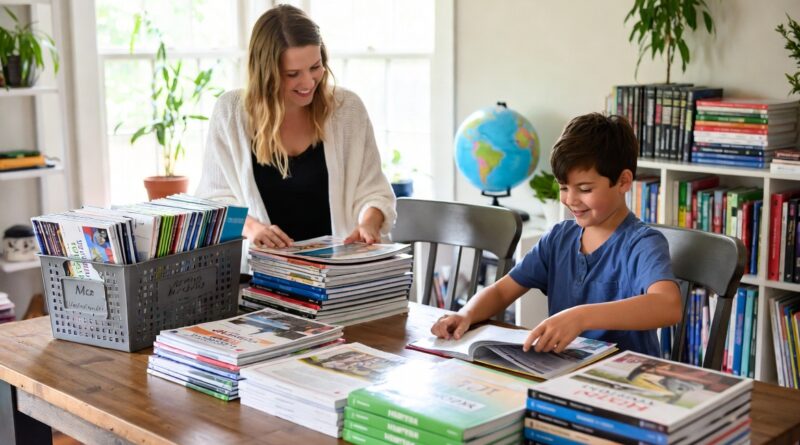
Used Curriculum for Homeschool
Homeschooling families know that curriculum costs can add up quickly. With average annual homeschooling expenses ranging from $500 to $2,500 per child (including curriculum, supplies, and enrichment), many parents look for ways to stretch their budget without sacrificing educational quality. One of the most effective strategies is buying and selling used curriculum.
In my experience homeschooling multiple children across different stages, strategically using the used market has saved our family thousands of dollars over the years while still providing excellent materials. When I first started, I was hesitant about condition and completeness, but after careful vetting and a few successful purchases (including a nearly new Apologia science set that cost less than half the retail price), I became a confident buyer and seller. Families I’ve worked with through local co-ops and online communities consistently report 30–75% savings on curriculum by combining used purchases with smart planning.
Used curriculum isn’t just about pinching pennies—it supports customization (a top reason families homeschool, according to research from the National Home Education Research Institute), promotes sustainability by extending the life of quality resources, and builds community through local sales and swaps. However, it requires diligence to avoid incomplete sets, outdated content, or disappointing condition.
This guide walks you through the real pros and cons, the best places to shop (with specific high-authority and community-trusted resources), how to evaluate items like a pro, what to avoid, and how to sell your own materials effectively. Whether you’re new to homeschooling or a veteran looking to optimize, these practical insights will help you make informed decisions.
Quick Answer Yes, used homeschool curriculum is an excellent way to save significant money (often 30–75% off new prices) while accessing high-quality or out-of-print materials, provided you research thoroughly, inspect condition carefully, and buy from reputable sources. Top places include local homeschool sales and conventions, Homeschool Classifieds (homeschoolclassifieds.com), Amazon third-party sellers, Facebook homeschool buy/sell/trade groups, and sites like TheHomeSchoolMom’s recommended sources. Always verify completeness (especially teacher editions and answer keys), check publication years for rapidly changing subjects like science and history, and start with one subject or level to test the process. Balance used purchases with new items when publisher support, updates, or consumables are important. Combine buying, using across multiple children, and reselling to create a sustainable cycle that keeps costs low long-term.
Why Consider Used Curriculum? The Real Benefits and Honest Drawbacks
Homeschooling allows deep customization of learning, and used curriculum makes that more accessible for families on a budget. New comprehensive programs can easily run $200–$700+ per student per year for core subjects alone; used options dramatically lower that barrier.
Key Benefits (Pros)
- Substantial Cost Savings: Many families recover 50% or more of their investment by reselling after use. One well-organized approach I’ve seen repeatedly: buy used, use with one or two children, then resell for 40–60% of the original used purchase price.
- Access to Specific or Discontinued Programs: Love a particular edition of Saxon Math, a classic Sonlight literature guide, or an out-of-print unit study? Used markets often have what new publishers no longer stock.
- Sustainability and Community: Reusing materials reduces waste and connects you with other homeschool families through sales, swaps, and groups.
- Flexibility for Testing Fit: Buying used lets you try a program with lower financial risk before committing to a full new set or multiple levels.
- Supporting Customization: As NHERI research highlights, many families homeschool to tailor education to each child’s needs—used curriculum helps make that financially realistic.
Honest Drawbacks (Cons)
- Condition and Completeness Issues: Books may have writing, highlighting, torn pages, missing answer keys, or consumables that are already used up.
- Outdated Content: Science, history, technology, and current events materials can become dated quickly. A 10-year-old biology text might miss recent discoveries or use older terminology.
- Time and Effort Investment: Searching, messaging sellers, verifying details, and waiting for shipping (or traveling to local sales) takes time. Not every deal is a good deal.
- Limited or No Publisher Support: Used items usually don’t come with access to online resources, updates, or customer service that new purchases often include.
- Potential for Scams or Disappointment: Online marketplaces carry risks of misrepresented condition or non-delivery, though reputable platforms with buyer protection mitigate this.
- Not Ideal for Everything: Consumable workbooks, items requiring current editions for testing alignment, or certain hands-on kits are often better purchased new.
In short, used curriculum shines when you approach it strategically rather than impulsively. The families who succeed treat it as part of a larger plan—research first, inspect rigorously, and plan for resale or reuse across siblings.
Best Places to Buy Used Homeschool Curriculum
Here are the most reliable and popular options, drawn from years of community experience and trusted homeschool resources:
- Local Homeschool Curriculum Sales and Conventions Many state and local groups host annual or semi-annual used sales (often in late spring/early summer). These are excellent for seeing items in person, negotiating, and building relationships. Check your state homeschool organization or HSLDA resources for events. Bring a list, cash in small bills, sturdy tote bags, and a discerning eye.
- Homeschool Classifieds (homeschoolclassifieds.com) One of the largest dedicated platforms with 10,000–20,000 recent listings at any time and thousands of daily buyers/sellers. Listings are organized by subject, grade, and publisher. It includes a reputation system and “Wanted” ads. Highly recommended for serious buyers and sellers.
- Amazon (Third-Party “New & Used” Sellers) Often the fastest option with Prime shipping and buyer protection. Search your exact title/edition and check the “New & Used from $X” section. Prices can beat specialized sites, and returns are straightforward if condition is misrepresented.
- Facebook Groups and Marketplace Popular groups include “Homeschool Curriculum Buy Sell Trade” and local homeschool swap pages. Great for local pickup (no shipping) and deals, but verify seller reputation, ask detailed questions, and use caution with payments (PayPal Goods & Services or cash for local). HSLDA also highlights related donation/swap options.
- Other Strong Options
- TheHomeSchoolMom’s curated list of used sources (thehomeschoolmom.com/homeschool-help/used-homechool-curriculum-sources/).
- Specialized used stores like Second Harvest Curriculum (usedhomeschoolbooks.com).
- Paperback Swap or similar book-swap communities for literature and supplemental books (postage only).
- ThriftBooks, AbeBooks, or Half Price Books for individual titles.
- Donation/swap groups like “Homeschool Curriculum Free for Shipping” (Facebook) for very low-cost or free-with-shipping finds.
HSLDA’s guide to free and inexpensive resources (hslda.org/post/looking-for-free-or-inexpensive-curriculum-and-resources) is another excellent starting point, including donation networks that can connect you with gently used materials for just shipping costs.
How to Evaluate and Buy Used Curriculum Like an Expert
Don’t buy based on price alone. Follow this practical checklist I’ve refined over many purchases:
- Research First: Read recent reviews of the specific program/edition on publisher sites, Well-Trained Mind forums, or homeschool review sites. Know what a “complete set” includes (student book, teacher manual, answer key, tests, manipulatives?).
- Ask the Right Questions: Request clear photos of the cover, spine, every page (especially any with writing or damage), table of contents, and any included extras. Ask: “Is this the latest edition you’re aware of? Any missing pieces? Any smells, mold, or pet hair? How was it stored?”
- Check Key Details: Publication year (critical for science/history), edition number, ISBN, and whether consumables are blank or written in.
- Inspect Upon Arrival (or In Person): Flip through every page. Test any CDs/DVDs or digital components if included. Verify all promised items are present.
- Start Small: Buy one subject or one child’s level first to learn the process and see how the materials fit your teaching style and child’s needs.
- Factor in Total Cost: Include shipping, taxes, and your time. Sometimes a slightly higher local price beats online shipping + risk.
- Trust But Verify Platforms: Use sites with buyer protection (Amazon, eBay, PayPal). On Facebook or direct sales, start with smaller transactions.
When I tested buying the same popular math program from three different sources (local sale, Amazon used, and a specialized classifieds site), the local in-person option gave me the best combination of price, condition verification, and immediate use—though Amazon was fastest for a last-minute need.
What to Avoid Buying Used
Not everything ages well or lends itself to second-hand use:
- Consumables: Workbooks, notebooks, or test booklets meant to be written in (unless the seller confirms they’re unused and you plan to photocopy or use digitally where legal).
- Rapidly Changing Subjects: Current science textbooks, recent history/politics materials, technology or coding resources, and test-prep books tied to specific exam years.
- Items Needing Publisher Support or Updates: Some programs include online portals, streaming videos, or frequent revisions that are tied to new purchases.
- Safety-Sensitive or Perishable Items: Old science kits with chemicals, certain manipulatives that show heavy wear, or anything with potential allergens/mold.
- Very Old Editions of core skills programs if alignment with current standards or your child’s specific learning needs is important.
For these, new or “gently used but current edition” is often the wiser investment.
Selling Your Used Curriculum: Turn It Into Cash or Community Support
One of the smartest long-term strategies is planning for resale from the start. Keep materials in good condition, store them properly, and sell while they’re still relevant.
Tips for Successful Selling:
- Take high-quality photos (multiple angles, close-ups of any wear, full sets laid out).
- Write detailed, honest descriptions including edition, year, completeness, and any notes on writing or damage.
- Price fairly—often 40–60% of new retail for good condition, lower for well-used but complete sets. Research recent sold prices on your platform.
- Use the same platforms as buying: Homeschool Classifieds, local sales, Facebook groups, Amazon (as seller), or specialized used stores that buy outright.
- Consider donating for tax benefits or community goodwill through groups like those mentioned by HSLDA.
Many families I know rotate curriculum through multiple children and then sell or pass it on, creating a virtuous cycle that keeps overall costs low.
Building a Sustainable Used Curriculum Strategy
The most successful long-term users treat used curriculum as part of an ecosystem:
- Research and plan your core philosophy/approach first (classical, Charlotte Mason, eclectic, etc.).
- Buy used for stable, non-consumable subjects (literature, history spines, certain math programs).
- Purchase new for consumables, rapidly evolving topics, or programs where you value publisher support.
- Reuse across siblings where possible, then sell or donate.
- Supplement with free/inexpensive resources (library books, online tools, HSLDA-recommended freebies) to further reduce costs.
- Review annually: What worked? What can be resold? What needs replacing?
This approach supports the customization that makes homeschooling powerful while keeping finances manageable.
Conclusion
Used curriculum for homeschooling is a powerful tool for budget-conscious families who value quality, customization, and sustainability. When approached with research, careful inspection, and realistic expectations, it delivers excellent materials at a fraction of new prices while building connections in the homeschool community. The key is balance: use used strategically for stable resources, invest in new where support or currency matters most, and plan for reuse and resale to maximize long-term value.
Start small pick one subject or one child’s level, apply the evaluation checklist, and see how it feels. Over time, you’ll develop an eye for good deals and build a flexible library tailored to your family. Homeschooling is already a deeply personal and rewarding path; smart use of the used market simply makes it more accessible and sustainable for years to come.
Whether you’re just starting out or looking to optimize an established homeschool, the used curriculum world has something to offer. Approach it thoughtfully, and you’ll likely find both savings and satisfaction.
Last Updated: June 19, 2026
FAQs
Is used curriculum really worth the hassle compared to just buying new?
For many families, yes—especially for non-consumable core materials used across multiple children. The savings can be substantial (hundreds per year), and the quality is often excellent when you buy carefully. However, if your time is extremely limited or you highly value publisher support and the latest editions, new may be worth the premium for key subjects.
How do I know if a used set is complete?
Always ask the seller for a detailed inventory or photos of everything included. Cross-reference against the publisher’s current “what’s included” list for that edition. Teacher manuals and answer keys are the items most commonly missing.
Are there legal issues with reselling used curriculum?
Generally, personal resale of physical curriculum materials you own is fine under first-sale doctrine in the U.S. Avoid copying consumables or digital components illegally. Check specific publisher policies if concerned, but most homeschool publishers are supportive of the used market.
What’s the best platform for beginners?
Start with local used curriculum sales (in-person verification is easiest) or Amazon used (convenience and protection). Once comfortable, expand to Homeschool Classifieds or trusted Facebook groups.
Can I find current editions used, or only older ones?
Both. Popular programs cycle through families quickly, so current or recent editions appear regularly on the used market, especially right after the school year ends.
How much can I realistically save?
Many families report saving 30–75% on individual items or programs. Over a full year with strategic buying and reselling, total curriculum costs can drop significantly below the $200–$700+ new average per child.
What if I buy something and it doesn’t fit our needs?
This is why starting small and inspecting carefully matters. Many platforms allow returns (Amazon especially). Local purchases are usually final sale, so be extra diligent. Some families resell items that didn’t work for them.